|
|
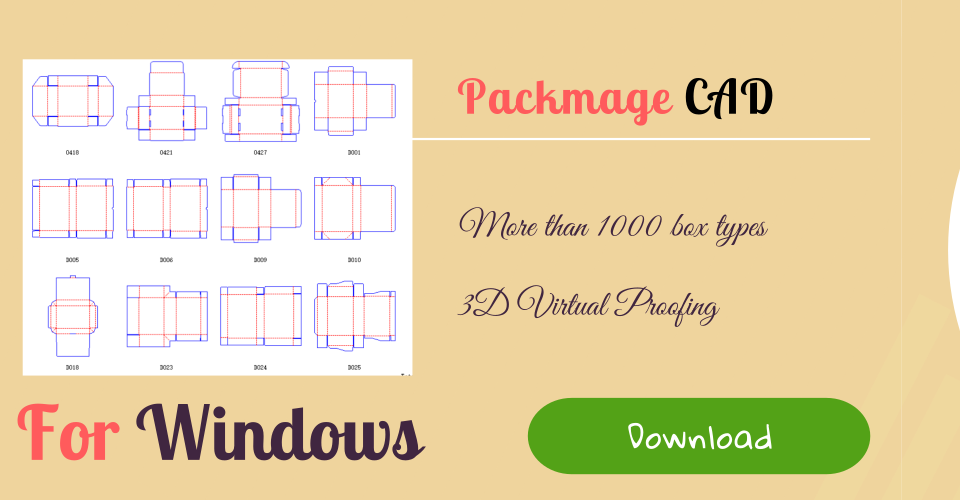
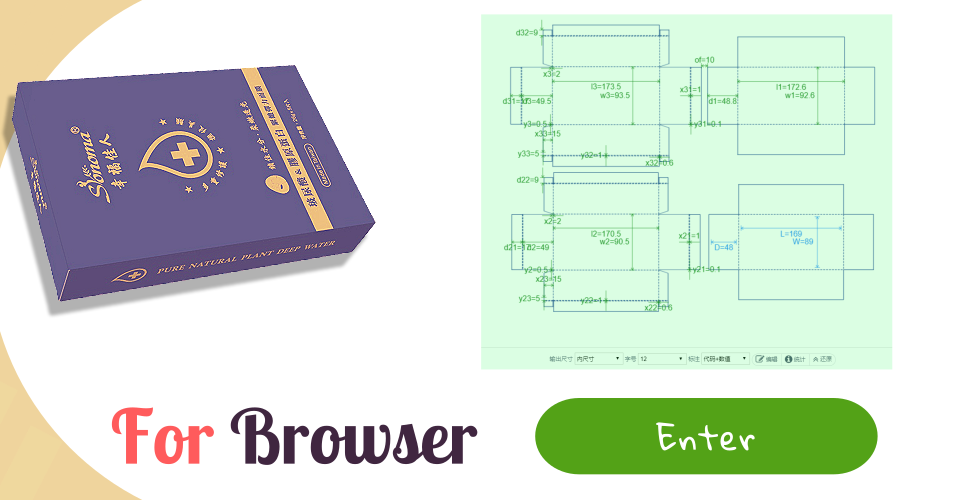
Windows packaging design software for use by professional structural engineers and packaging designers.
10 years of history, 100,000 user Testimonials
Video
Kaelen and Elara descend into the lower city. They discover that the "Grace" is actually drawn from the life force of the people who get lost in the maze. The town is a parasite, not a sanctuary. They face trials that require Kaelen’s logic and Elara’s fading magic.
We are raised on the mythology of the straight line. From the Roman road to the suburban grid, from the assembly line to the five-year plan, human civilization has often equated progress with directness, efficiency, and clarity. The straight line is the geometry of conquest—it cuts through the unknown, imposes order upon chaos, and promises a swift arrival at a predetermined destination. To be lost, then, is to have failed this geometry. It is a state of anxiety, a waste of time, a minor death. But what if there exists a different kind of place, a different kind of path, where to be lost is not a failure but a prerequisite for grace? This is the profound gift of the labyrinth town. Its grace is not the grace of a cathedral’s soaring spire, but something older, stranger, and more intimate: the grace of the accidental shrine, the grace of the necessary detour, the grace of a salvation found not despite the confusion, but because of it.
Arethia is built inside the ribcage of a fallen titan. It is a vertical city, a spiraling mess of bridges, towering spires, and deep dungeons.
In addition to length, width, height and paper thickness, other parts can also be modified
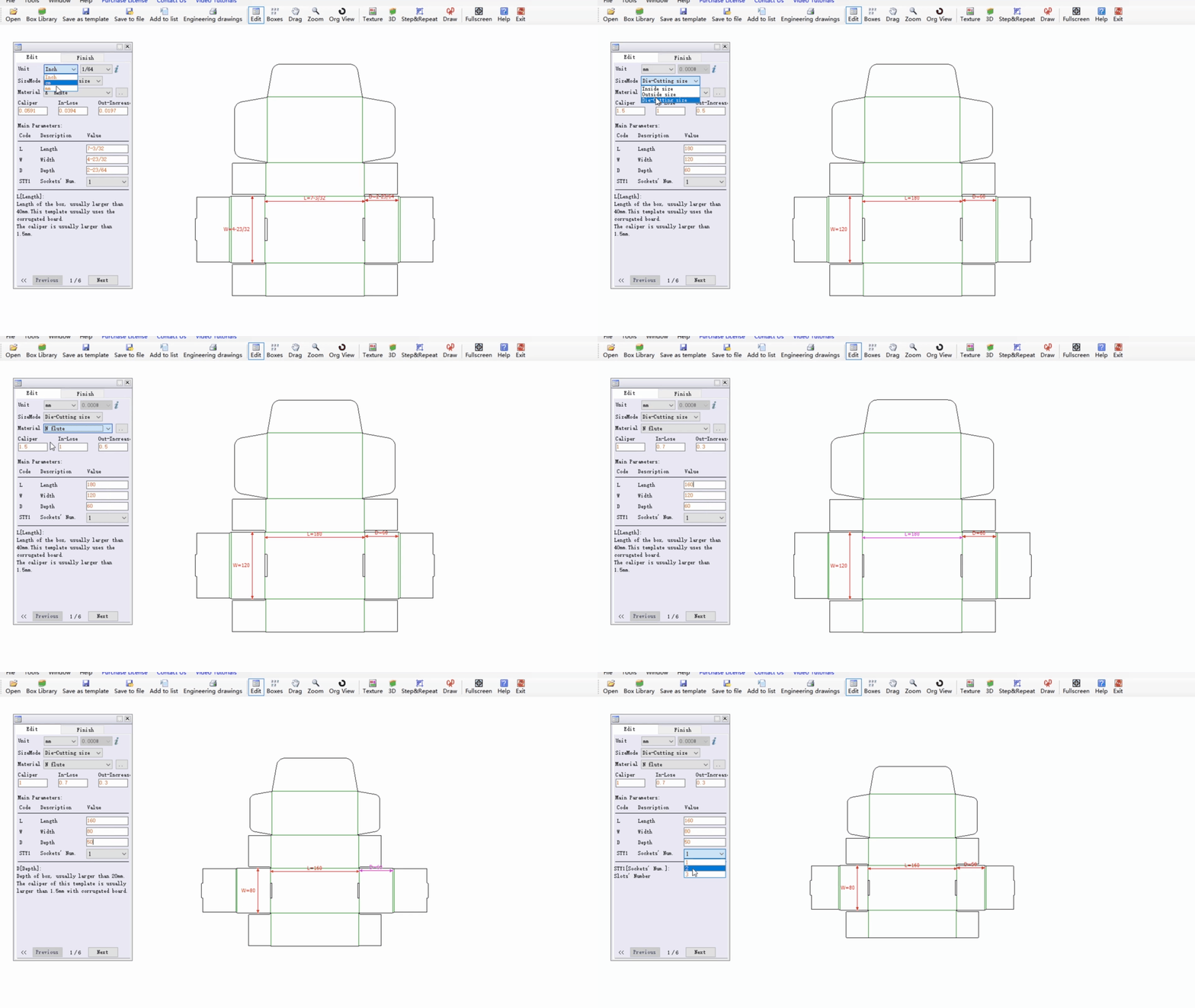
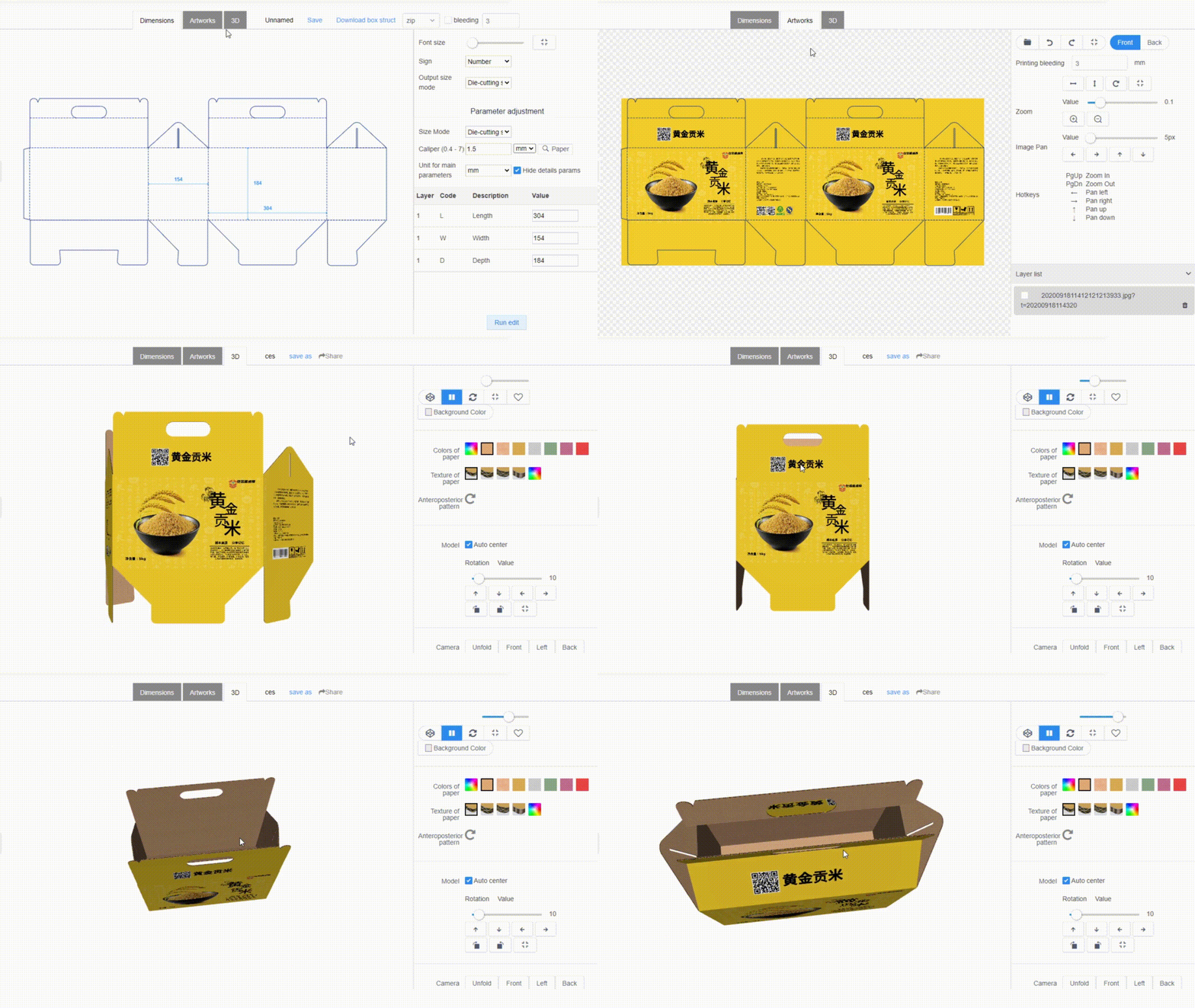
Watch the introduction video
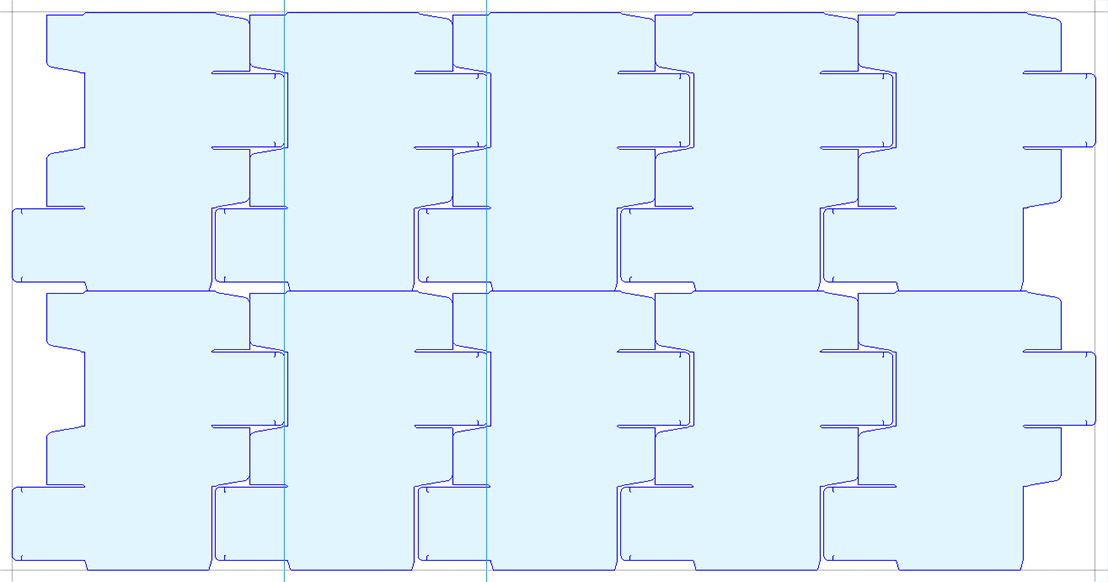
Software in the limited size of the search for the best collation scheme, and can automatically achieve special paper cutting, usage reporting and so on.
PACKMAGE TECHNOLOGY CO.,LIMITED