Experience world-class virtual golf with Golfzon Vision WAVE,
offering realistic 3D courses and global competition on any device.
*Compatible with both WAVE and WAVE Play
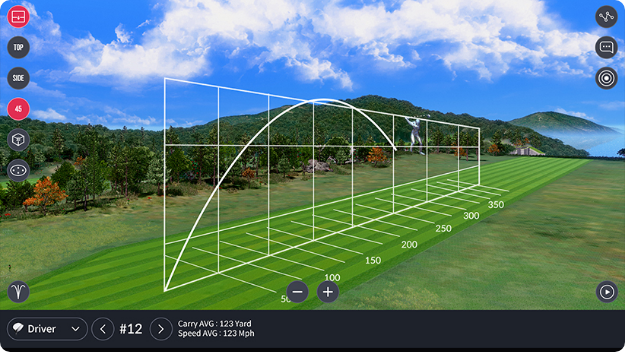
WAVE Skills is a mobile app that displays
detailed shot
data and swing analysis for
Golfzon WAVE users,
enabling
performance
tracking and improvement.
*Exclusive to WAVE
malice mizer albums


WAVE Watch app connects to
your WAVE
device via Bluetooth for instant shot results
on your smartwatch, enhancing your golf
experience.
*Compatible with
Apple Watch and Galaxy Watch 4,5
Malice Mizer's discography is a testament to the


Vision WAVE's mobile version is
set to launch in Q4 2023, offering support for both
iOS and Android devices.
*Compatible with
both WAVE and WAVE Play
A re-release featuring the bonus track "Baroque," which


WAVE Arcade is a mobile app that offers
6 innovative arcade games
instead of
traditional 18-hole play.
*Compatible with
both WAVE and WAVE Play
Malice Mizer's discography is a testament to the band's innovative spirit and creative evolution. Their music has influenced a wide range of Japanese bands, including Moi dix Mois, The Gazette, and Blood Stain Child. The band's dark, gothic aesthetic and introspective lyrics have also resonated with fans worldwide, inspiring a dedicated cult following.
A re-release featuring the bonus track "Baroque," which remains a fan favorite for its moody, intricate composition. Shortly after this release, original vocalist Tetsu departed to pursue a different musical direction. The Gackt Era: Romanticism and Major Success (1995–1999)
The album Bara no Seidou (Church of the Rose) stands as their heaviest and most gothic work. The synths were replaced by church organs and choir samples; the production was murkier, and the song structures were more progressive and aggressive. Tracks like "Hakai no Hate" and "Chikasuimyaku no Meikyuu" showcased a band exploring the depths of darkness. While lacking the pop hooks of the previous era, Bara no Seidou is arguably their most artistically consistent and cohesive album—a monolithic slab of gothic atmosphere.
The band’s debut studio album, released under Mana's independent label Midi:Nette. It established their signature "twin guitar" polyphonic sound.
During this era, Malice Mizer perfected their live shows, incorporating scripted dialogue, costume changes, and theatrical sets. The music was designed to accompany a visual narrative; it was grandiose, elegant, and heartbreakingly romantic. However, the era ended abruptly in 1999 with Gackt’s departure and the tragic death of drummer Kami, leaving the band—and their sound—in limbo.
The departure of Tetsu and the arrival of Gackt (then known as Camui Gackt) marked the band’s transformation from an indie act to a visual phenomenon. This era is widely considered the band’s creative peak and their most commercially successful period.
Their fourth album, "Aquarium," released later in 1998, continued the band's momentum. This album features some of Malice Mizer's most well-known songs, including "Séphora" (a re-recorded version of the song from "Éphémère") and "Phenomenon." The album's sound is characterized by lush instrumentation, operatic vocals, and introspective lyrics.