Before you go - more games!
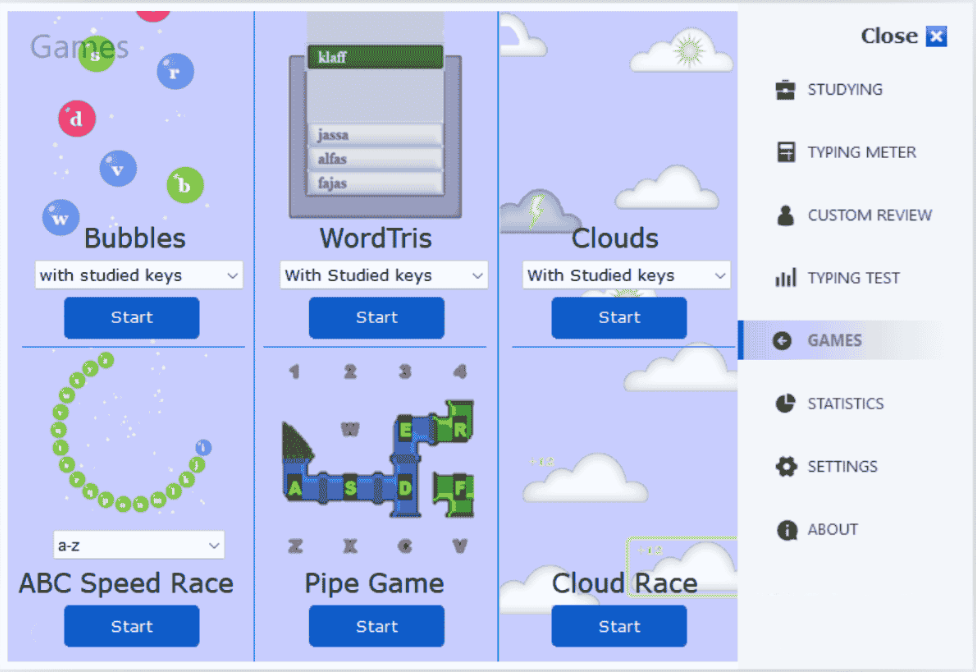
Install TypingMaster's TypingMagic from Microsoft Store to unlock more games, guided practice, and typing tests.
Install from Microsoft StoreBelow is a minimal example that demonstrates a typical end‑to‑end analysis: loading a BIDS dataset, preprocessing, statistical modelling, and visualising results.
dti = DTI(gpu=True) dti.fit(dataset.dwi, bvals=dataset.bval, bvecs=dataset.bvec) fa_map = dti.fa() tvis.plot_volume(fa_map, cmap='viridis') twk lausanne download
– Always obtain TWK Lausanne from an official, verified source to avoid tampered binaries or malicious code. Below is a minimal example that demonstrates a
The suite is built around a , with optional C/C++ extensions for performance‑critical kernels. It follows the FAIR (Findable, Accessible, Interoperable, Re‑usable) principles and integrates seamlessly with other community tools such as Nilearn , MNE‑Python , FSL , SPM , and AFNI . twk lausanne download
TWK Lausanne was born out of a desire to create a contemporary response to historical sans-serifs like , but optimized for the nuances of digital typography.
Below is a minimal example that demonstrates a typical end‑to‑end analysis: loading a BIDS dataset, preprocessing, statistical modelling, and visualising results.
dti = DTI(gpu=True) dti.fit(dataset.dwi, bvals=dataset.bval, bvecs=dataset.bvec) fa_map = dti.fa() tvis.plot_volume(fa_map, cmap='viridis')
– Always obtain TWK Lausanne from an official, verified source to avoid tampered binaries or malicious code.
The suite is built around a , with optional C/C++ extensions for performance‑critical kernels. It follows the FAIR (Findable, Accessible, Interoperable, Re‑usable) principles and integrates seamlessly with other community tools such as Nilearn , MNE‑Python , FSL , SPM , and AFNI .
TWK Lausanne was born out of a desire to create a contemporary response to historical sans-serifs like , but optimized for the nuances of digital typography.